

Introduction
The word Vastu originates from the Sanskrit root “Vas,” which means “to reside” or “to dwell.” In its most common sense, Vastu refers to a dwelling place or residence. During the Vedic era, the construction of a home was considered a sacred and religious activity.
From a Vedantic perspective, the word Vastu is derived from the Sanskrit term “Vstu.” While the term generally signifies truth, substance, matter, nature, essence, and purity, Vedanta attributes a deeper meaning to it. According to Vedantic philosophy, Vastu represents the ultimate reality—Brahman.
Brahman is considered the foundation of the entire universe. Nature, human beings, and all man-made creations are manifestations of the same universal consciousness. Since Brahman permeates everything, Vastu Shastra recommends preserving the central portion of a structure as the Brahmasthan, the sacred center of energy.
The term Vastu shastra is used in two different contexts. During Vastu Shanti rituals, it refers to the Vastu Purusha and is treated in the masculine sense. However, when discussing houses, buildings, and structures, it is used in the feminine sense and refers to the physical dwelling itself.
Since the creation of the universe, two fundamental tendencies have existed—the creators (Suras) and the observers (Asuras). Both developed advanced sciences and knowledge systems for their progress and prosperity. In the fields of architecture, sculpture, and construction, the Devas appointed Vishwakarma as their chief architect, while the Asuras accepted Mayasura as their master architect.
Ancient scriptures mention that Vishwakarma’s son Nala constructed the bridge connecting Bharat and Lanka, popularly known as Ram Setu. Similarly, after the Pandavas were instructed not to return to Hastinapura, they established the magnificent city of Indraprastha with the assistance of Mayasura.
Inspired by Vishwakarma’s teachings, texts such as Vishwakarma Prakash, Samarangana Sutradhara, Vastu Saravali, and Vastu Pradeep were composed. Likewise, the architectural traditions of Mayasura inspired works such as Mayamatam, Manasara, Shilpa Sangraha, and Shilpa Ratna. Extensive discussions on Vastu can also be found in various Puranas and in Brihat Samhita by Varahamihira, which contains a dedicated section on architectural science.
Importance of Vastu Shastra
The entire foundation of Vastu Shastra is based on the five elements of nature (Panch Mahabhutas):
- Space (Akash)
- Air (Vayu)
- Fire (Agni)
- Water (Jal)
- Earth (Prithvi)
These five natural elements form the basis of all creation and govern the cycle of life and existence.
If the entire universe functions through these elements, the same principles apply to our homes and workplaces. When the energies associated with these elements remain balanced within a structure, the environment becomes harmonious and positive. However, when this balance is disturbed, it may contribute to stress, anxiety, financial instability, health concerns, stagnation, and other challenges.
The primary purpose of Vastu Shastra is to align human life with the forces of nature so that both can function harmoniously.
The principles of Vastu revolve around maintaining energetic balance. Although many Vastu guidelines appear to be related to physical factors such as soil, water, sunlight, and airflow, they are also believed to influence subtle energy vibrations within a space.

Vastu Directions and Their Meanings
Vastu Shastra recognizes eight directions and one central Brahmasthan. Each direction possesses a unique element, characteristic, and energy. Understanding these directional influences forms the core of Vastu science.

1. East Direction (Purva)
The East direction is governed by Lord Indra, while the Sun (Ravi) is its planetary ruler. The East symbolizes beginnings, growth, and opportunities. Just as many activities in nature commence after sunrise, this direction is considered highly auspicious.
Activities such as worship, meditation, study, contemplation, writing, and cooking are traditionally recommended while facing the East, as it promotes clarity and success.
The East is primarily influenced by the Fire Element (Agni Tatva).

2. South-East Direction (Agneya)
As the name suggests, the South-East direction is governed by Agni Dev, the deity of fire. Fire is considered a purifier that destroys impurities and harmful influences.
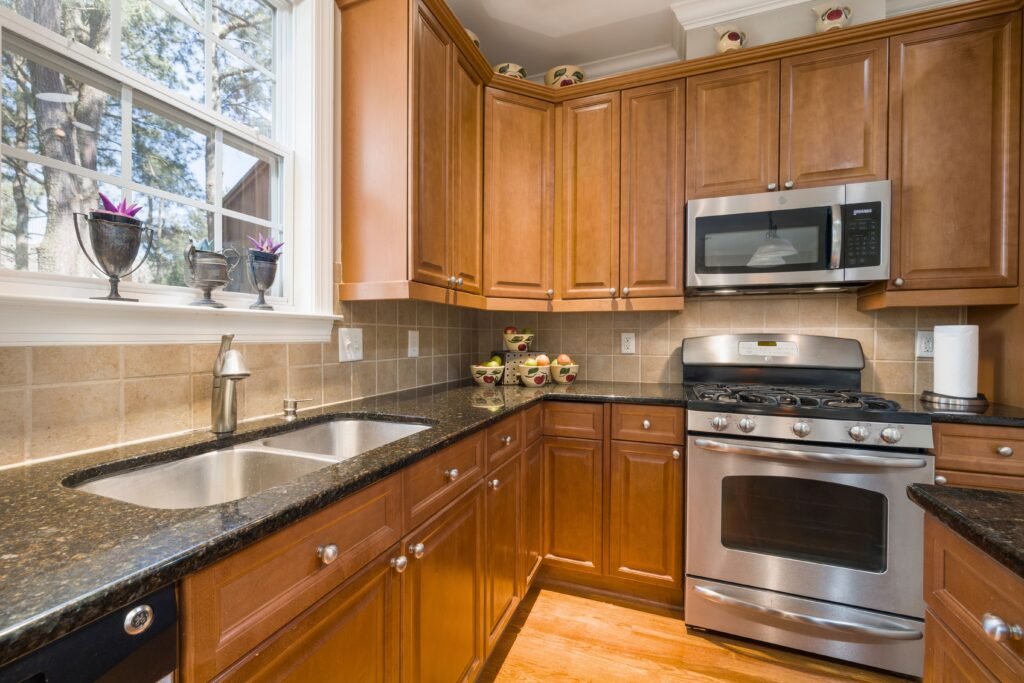
Due to the dominance of the fire element, this direction is ideal for kitchens, cooking activities, and sources of heat and energy.
The planetary ruler of this direction is Venus (Shukra).
3. South Direction (Dakshin)
The South direction is governed by Yama, the lord of transformation and mortality. Mars (Mangal) serves as its planetary ruler.
Traditionally, this direction is approached with caution and is generally avoided for sacred activities except those related to ancestral rituals. The South represents seriousness, discipline, and responsibility.
The South is strongly influenced by the Earth Element (Prithvi Tatva).

4. South-West Direction (Nairutya)
The South-West direction is ruled by Nirriti, a powerful deity associated with protection and control over negative influences.
This zone is ideal for heavy structures, master bedrooms, safes, and storage areas because it provides stability and grounding energy.
The planetary ruler of this direction is Rahu.
The South-West is dominated by the Earth Element.
5. West Direction (Pashchim)
The West direction is governed by Varuna, the deity of water. Varuna is believed to sustain life through water and maintain balance in nature.
This direction is associated with maturity, completion, and fulfillment. According to Vastu traditions, proper utilization of the West can support stability and long-term growth.
The West is influenced by the Air Element (Vayu Tatva).

6. North-West Direction (Vayavya)
The North-West direction is ruled by Vayu Dev, the deity of air, and is governed by the Moon.
This direction represents movement, change, travel, communication, and social interactions. Light-weight objects and guest rooms are generally recommended in this zone.
The North-West is strongly influenced by the Air Element.
7. North Direction (Uttar)
The North direction is governed by Lord Kubera, the deity of wealth and prosperity. Mercury (Budh) is its planetary ruler.
Kubera is entrusted with safeguarding divine wealth, making the North one of the most auspicious directions in Vastu Shastra. It is often associated with financial growth, opportunities, and abundance.
The North is influenced by the Water Element (Jal Tatva).
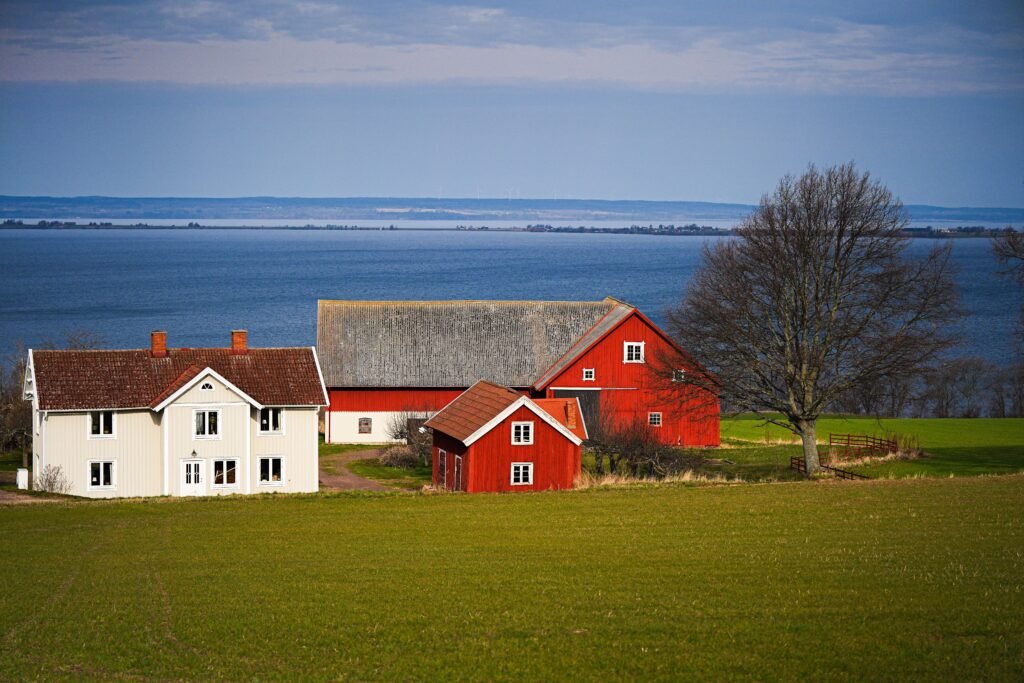
8.North-East Direction (Ishanya)
The North-East direction is governed by Lord Shiva (Ishana) and is considered the most sacred direction in Vastu Shastra.
This direction is ideal for prayer rooms, meditation spaces, and spiritual activities. Cleanliness and purity are especially important in this zone.
The planetary ruler of the North-East is Jupiter (Guru Brihaspati).
The North-East is associated with the Water Element, making it a source of spiritual and positive energy.
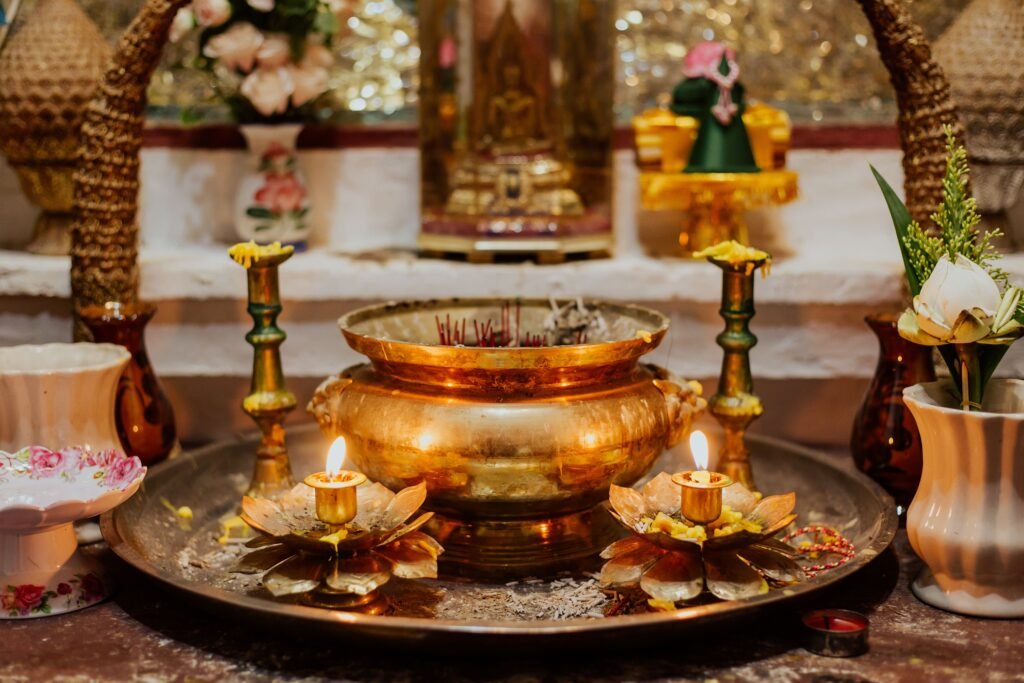
Best Vastu Tips for Home
Following simple Vastu principles can help create a balanced and harmonious living environment. These guidelines focus on maintaining positive energy flow, improving well-being, and promoting prosperity without requiring major structural changes.
1. Keep the Main Entrance Clean and Positive
The main entrance is considered the official gateway through which people and energies enter the home. According to Vastu Shastra, both positive and negative influences can enter through this space, making its maintenance extremely important.
Tips:
- Avoid keeping garbage, scrap materials, or unnecessary clutter near the entrance.
- Ensure that water, mud, or stagnant puddles do not accumulate outside the main door.
- If there is a pit or depression directly in front of the entrance, it should be filled immediately as it may create health-related disturbances.
- Planting a small Tulsi plant near the entrance is considered beneficial.
- The main door should ideally open inward, symbolizing the welcoming of opportunities and positive energy.

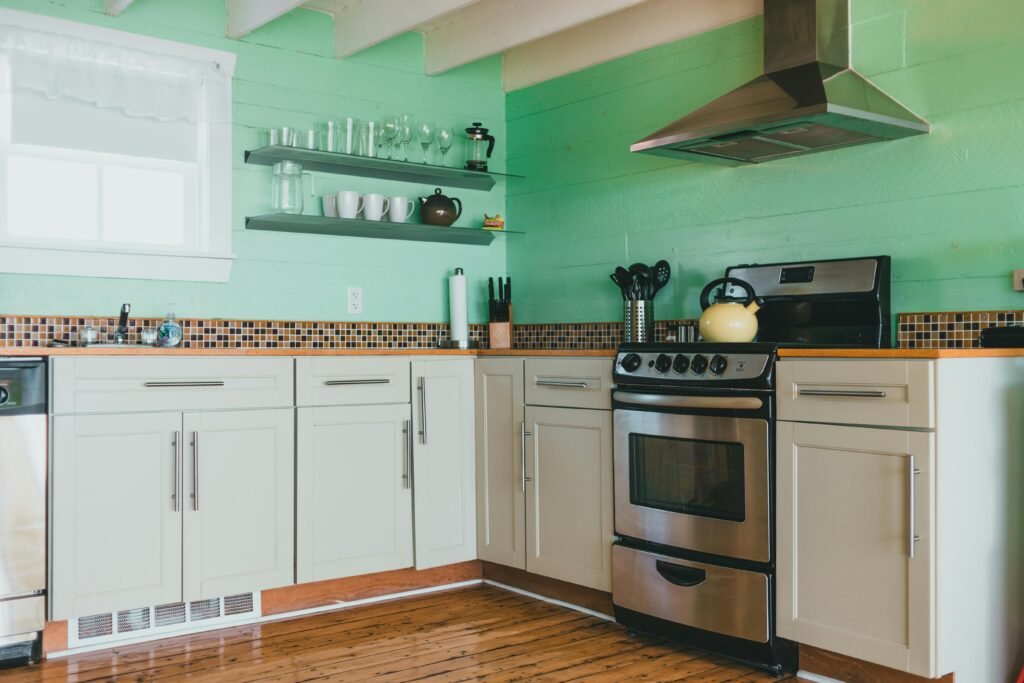
2. Follow Proper Kitchen Vastu
The kitchen is one of the most important areas of a home because it is associated with nourishment and the Fire Element (Agni). Proper kitchen placement helps maintain balance and supports the well-being of family members.
Tips:
- The South-East (Agneya) direction is considered ideal for the kitchen.
- If a South-East kitchen is not possible, the West direction can be used as an alternative.
- Water sources such as sinks and water filters should ideally be placed in the North-East area of the kitchen.
- While cooking, the person should preferably face the East direction.
- Gas stoves, cooktops, or traditional chulhas should not be placed directly against the wall; maintain a small gap if possible.
- The kitchen should remain bright and well-lit, especially during evening hours.
3. Prayer Room Placement
The prayer room or pooja room is considered one of the most sacred spaces in a home. Giving an appropriate place to spiritual activities is believed to enhance positivity and divine blessings.
Tips:
- The North-East (Ishanya) direction is the most ideal location for a prayer room.
- If space constraints exist, the East or North direction can also be used.
- Avoid constructing a prayer room in the South or South-West directions.
- Keep the prayer area clean, pure, and well-maintained at all times.
- Avoid building a prayer room adjacent to toilets or bathrooms.
- Do not keep brooms, dustbins, or cleaning equipment in the prayer area.
- If possible, use separate cleaning materials for the pooja room.
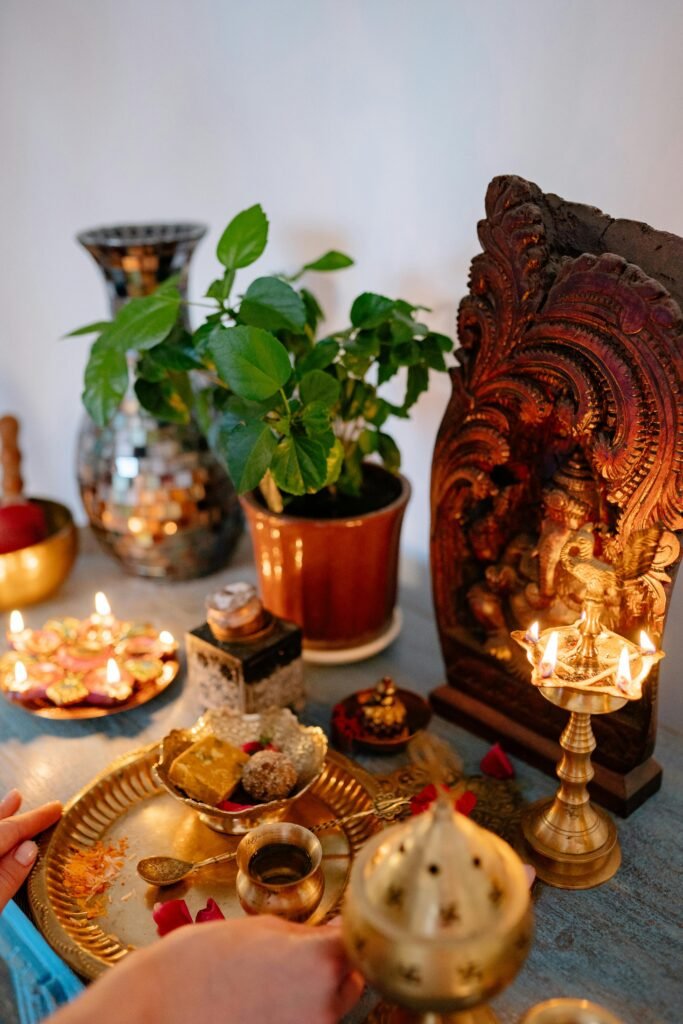
4. Remove Unnecessary Clutter
Accumulated clutter can obstruct the smooth flow of energy within a home. Broken, damaged, or unused items are believed to carry stagnant energy that may negatively influence the occupants.
Tips:
- Remove broken furniture, damaged décor items, and unused household objects.
- Dispose of non-functional clocks, rusted items, and scrap materials.
- Maintain regular cleaning routines throughout the house.
- Keep storage spaces organized and clutter-free.
- Avoid allowing unused items to accumulate for long periods.
According to Vastu beliefs, cleanliness attracts positive vibrations and supports progress, health, and mental well-being.
5. Bedroom Vastu Tips
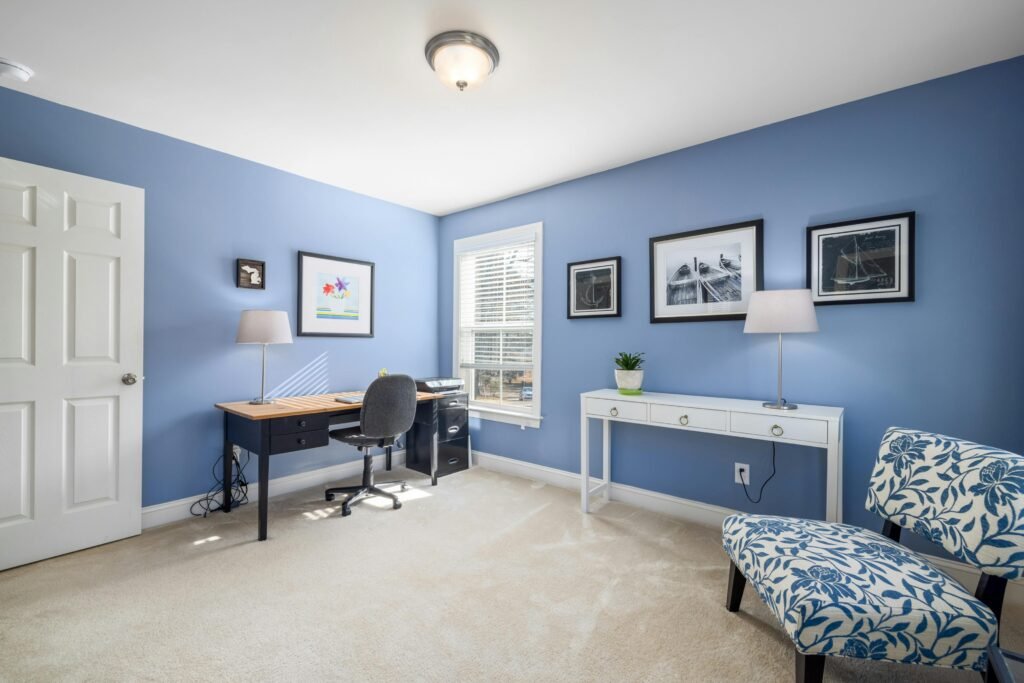
The bedroom is a highly personal space that influences physical health, emotional stability, mental peace, and relationships.
Generally, bedrooms are categorized as:
- Master Bedroom
- Children’s Bedroom
- Guest Bedroom
Placement Recommendations:
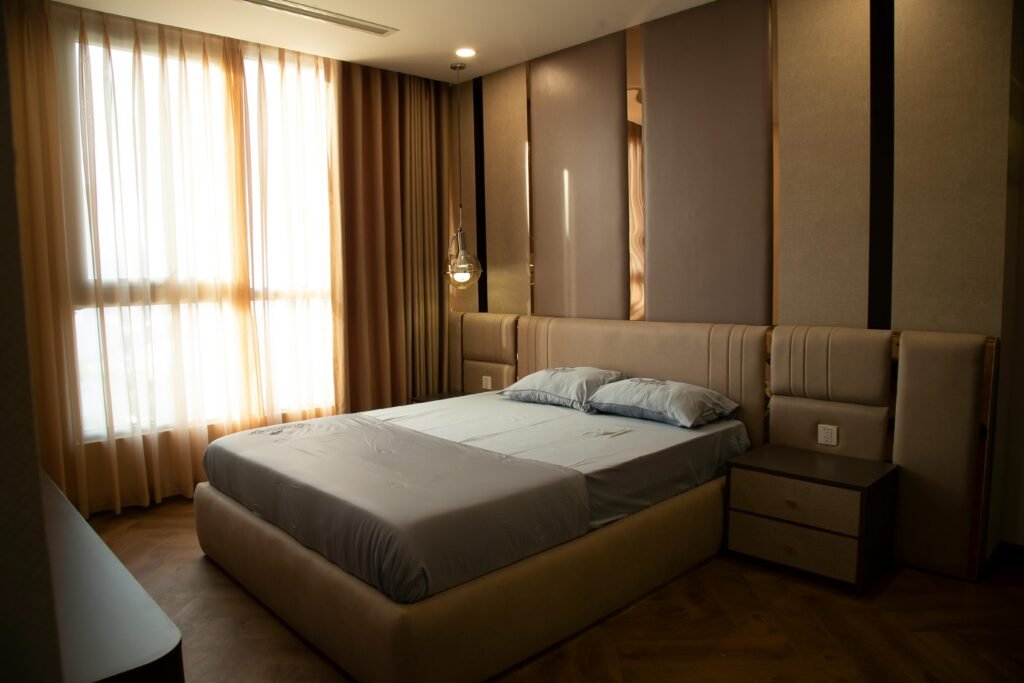
- The Master Bedroom is best located in the South-West direction.
- Guest Bedrooms are generally suitable in the North-West direction.
Additional Bedroom Vastu Tips:
- Bedrooms should be well-ventilated and free from excessive dampness.
- Avoid creating bedrooms in dark, congested, or poorly ventilated areas.
- The headboard of the bed should preferably be placed against a solid wall.
- Avoid displaying statues or images depicting war, aggression, conflict, or violence.
- Sharp-edged decorative objects should be avoided.
- Doors that produce harsh or disturbing noises should be repaired.
- Avoid excessive heavy storage directly surrounding the sleeping area, as it may create a feeling of pressure and discomfort.
A properly planned bedroom supports restful sleep, emotional harmony, and overall well-being.
Why These Home Vastu Tips Matter
These Vastu recommendations are designed to create better harmony between your living space and natural energies. While many of these principles focus on practical aspects such as cleanliness, ventilation, organization, and sunlight, they are also believed to influence subtle energy patterns within a home.
When applied thoughtfully, these simple Vastu practices can contribute to:
- Positive energy flow
- Mental peace
- Better relationships
- Improved health
- Greater productivity
- Financial stability
- Spiritual growth

Benefits of Following Vastu Shastra
Vastu Shastra is often described as the science of living spaces. It focuses on balancing energies within a structure to create an environment that supports physical, mental, emotional, and spiritual well-being.
When Vastu principles are followed appropriately, they can positively influence various aspects of life and contribute to overall happiness and success.
1. Mental Peace and Emotional Balance
A balanced Vastu environment is believed to create positive vibrations that influence the minds of the occupants. These positive energies help promote peace, clarity, focus, and emotional stability.
When the mind remains calm and healthy, productivity improves and individuals are better equipped to handle life’s challenges.
Benefits:
- Reduced stress and anxiety
- Better concentration
- Improved decision-making
- Enhanced productivity
- Greater inner peace

2. Better Relationships and Family Harmony
Positive energy within a home can help reduce conflicts and misunderstandings among family members. A harmonious environment encourages love, trust, cooperation, and mutual respect.
Benefits:
- Stronger family bonds
- Better communication
- Reduced tension and disputes
- Increased emotional support
- More peaceful home atmosphere
3. Financial Stability and Growth
According to traditional Vastu beliefs, energy imbalances may contribute to financial obstacles, stagnation, and difficulties in maintaining wealth.
Appropriate Vastu corrections are believed to support prosperity, opportunities, and financial growth.
Benefits:
- Improved financial management
- Better career opportunities
- Enhanced business growth
- Increased abundance and prosperity
- Reduced financial stagnation

4. Spiritual Positivity.
A Vastu-friendly home creates an environment that supports spiritual practices, meditation, prayer, and self-reflection.
Positive and sacred vibrations help cultivate a deeper connection with spirituality and inner growth.
Benefits:
- Enhanced spiritual awareness
- Better meditation experiences
- Increased positivity
- Stronger connection with divine energies
- Peaceful surroundings
5. Healthier Living Environment
Proper ventilation, sunlight exposure, cleanliness, and balanced energy flow contribute to a healthier living space.
Many Vastu recommendations align with practical architectural principles that support physical well-being.
Benefits:
- Better air circulation
- Increased natural light
- Improved hygiene
- Enhanced physical health
- More comfortable living conditions
Simple Vastu Remedies
Here are some simple yet effective Vastu remedies that can help improve the energy of your living space.
1. Keep the North-East Clean and Sacred
The North-East (Ishanya) zone is considered one of the most important areas in Vastu Shastra.
Remedy:
- Keep this area clean and clutter-free.
- Avoid storing unnecessary items here.
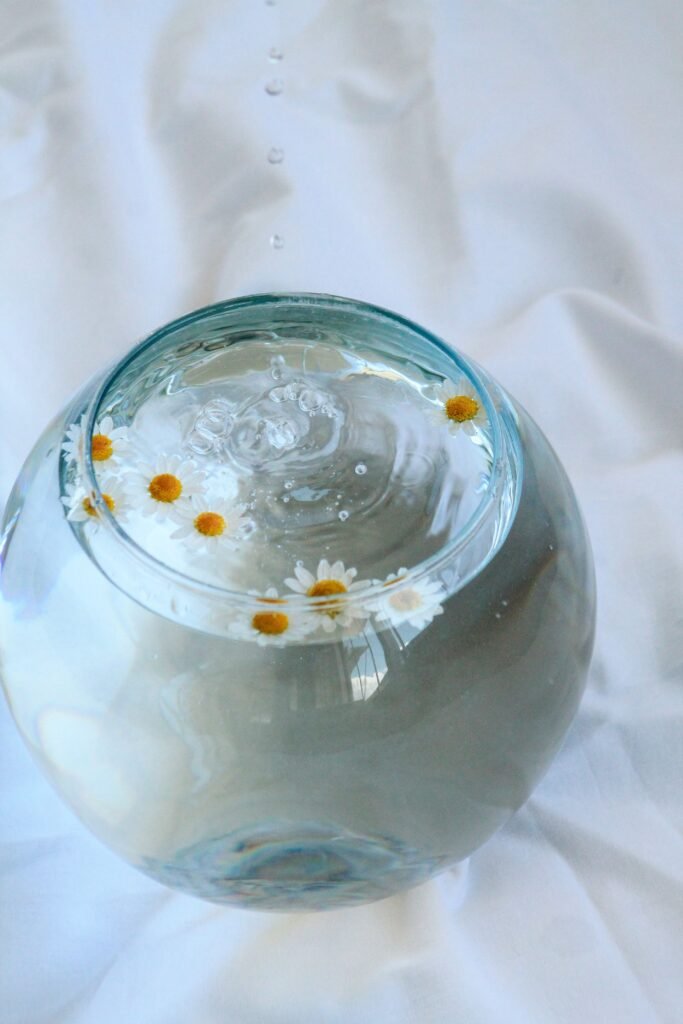
- Place a bowl of clean water or a crystal bowl with pearls to enhance positive energy.
2. Allow Natural Sunlight Into the Home
Sunlight is considered a natural source of positive energy and vitality.
Remedy:
- Allow maximum natural light into your home.
- Create more openings in the East direction whenever possible.
- Keep windows clean to encourage the flow of sunlight.
3. Use Indoor Plants
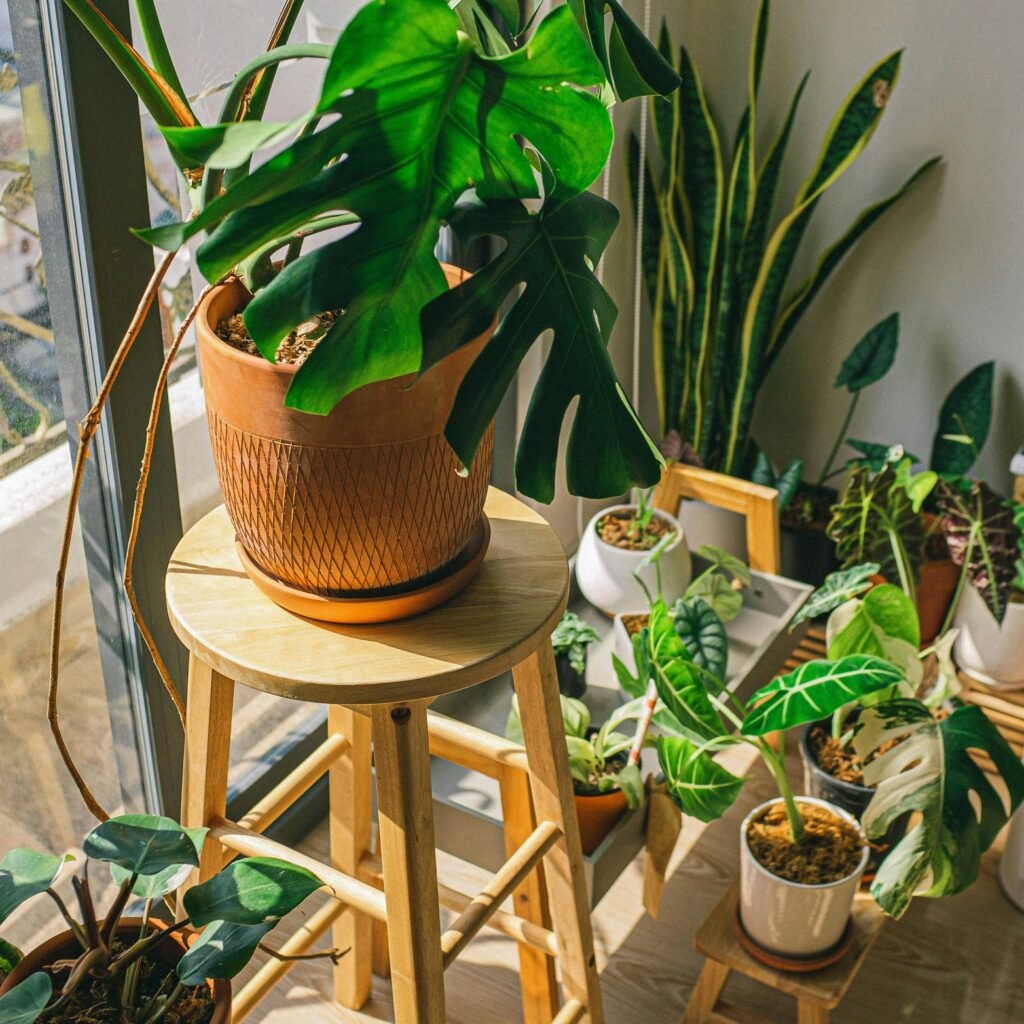
Indoor plants can refresh the environment and improve the overall atmosphere of a home.
Remedy:
- Keep small flowering plants indoors.
- Use medicinal plants such as Tulsi where appropriate.
- Maintain healthy and well-cared-for plants.
Benefits include:
- Better air quality
- Improved mood
- Enhanced freshness
- Positive visual appeal
4. Remove Broken and Unused Items
Damaged objects are believed to create stagnant energy.
Remedy:
- Discard broken clocks, damaged décor, and unusable furniture.
- Remove rusted or heavily worn-out items.
- Regularly inspect your home for unnecessary clutter.
This helps maintain smoother energy flow and supports financial growth.
5. Strengthen the South and West Zones
The South and West directions are associated with stability and protection.
Remedy:
- Keep these areas relatively heavier.
- Plant large trees in these directions if space permits.
- Avoid excessive openings compared to the East and North.
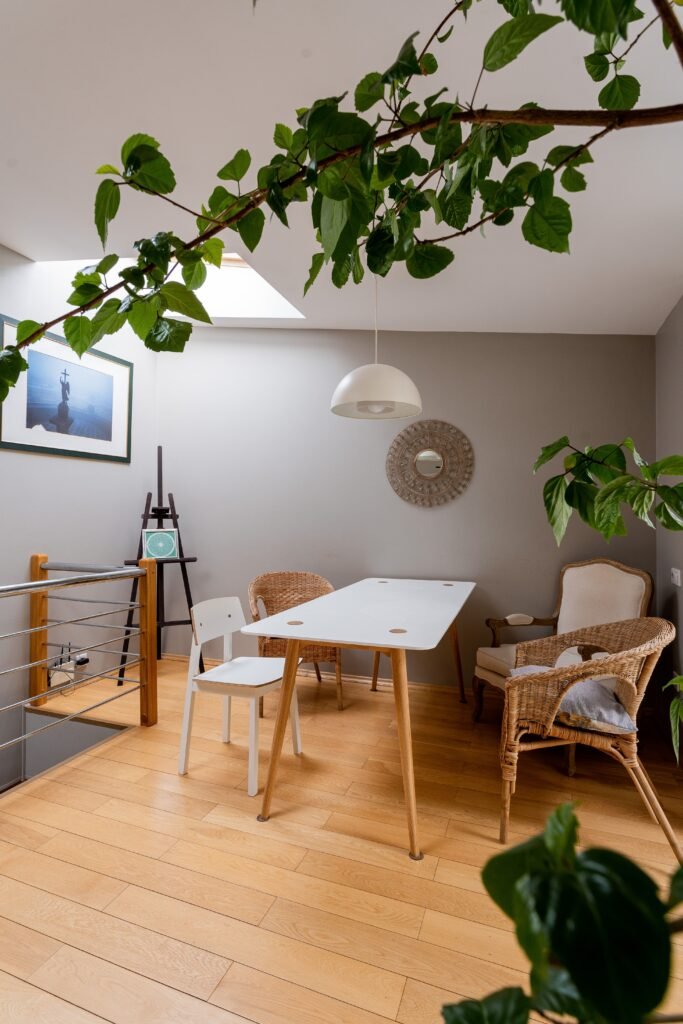
6. Keep the Brahmasthan Open
The Brahmasthan is the central area of a home and is considered the energetic heart of the structure.
Remedy:
- Keep the central portion of the house open and clean.
- Avoid excessive obstruction, clutter, or unnecessary storage.
- Maintain a sense of openness in this area whenever possible.
Vastu and Colours
Colours play an important role in Vastu Shastra. Every colour carries unique qualities and can subtly influence the thoughts, emotions, and behavior of the people living in a space.
Traditionally, certain colours are associated with specific planets.
Planetary Colours in Vastu
| Planet | Associated Colours |
|---|---|
| Sun (Ravi) | Yellowish, Red, Saffron |
| Moon (Chandra) | Pure White |
| Mars (Mangal) | Red |
| Mercury (Budh) | Green |
| Jupiter (Guru) | Yellow |
| Venus (Shukra) | White, Pink, Cream |
| Saturn (Shani) | Black, Blue, Purple |
Some experts suggest using colours associated with favorable planets in the house owner’s birth chart. However, because every family member may have different astrological influences, practical colour selection should also consider the overall purpose and energy of each room.

Colour Effects According to Vastu
| Colour | Influence |
|---|---|
| Dark Red | Love and Passion |
| Medium Red | Vitality and Health |
| Glittering Red | Desire and Ambition |
| Dark Pink | Enthusiasm and Feminine Energy |
| Medium Pink | Simplicity and Softness |
| Dark Orange | Ambition |
| Medium Orange | Energy and Determination |
| Light Orange | Emotional Intensity |
| Dark Yellow | Inspiration |
| Medium Yellow | Service and Humanitarian Nature |
| Light Yellow | Intelligence and Learning |
| Dark Golden | Luxury and Grandeur |
| Medium Golden | Prosperity |
| Dark Green | Goodness and Stability |
| Medium Green | Practicality and Openness |
| Light Green | Peace, Wisdom, Prosperity |
| Dark Blue | Honesty, Inclusiveness, Hard Work |
| Medium Blue | Compassion |
| Light Blue | Calmness and Peace |
| Dark Purple | Royalty and Luxury |
| Light Purple | Gentleness and Grace |
Colour Recommendations for Different Spaces
General Guidelines:
- Avoid excessive use of black for flooring, walls, or ceilings.
- Excessive white may promote detachment and may not always suit family-oriented environments.
- Light green and light yellow are excellent choices for children’s rooms and study areas.
- These shades are believed to support learning, creativity, intelligence, and concentration.
- Select colours according to the purpose and mood of each room.
Wise use of colours can enhance comfort, positivity, and overall well-being within a home.
Conclusion
Vastu Shastra is not merely about architecture or structural design. It is an ancient science that studies the relationship between living spaces, natural elements, and subtle energies. Its primary objective is to create an environment that supports the well-being, prosperity, and spiritual growth of the people living within it.
Rooted in centuries of traditional wisdom, Vastu Shastra offers practical guidelines that aim to balance the five elements—Earth, Water, Fire, Air, and Space—within a structure. Many of its principles also align with modern concepts of ventilation, sunlight, cleanliness, organization, and efficient space utilization.
The beauty of Vastu lies in the fact that significant improvements can often be achieved without major renovations or expensive modifications. Simple practices such as maintaining cleanliness, allowing adequate sunlight, removing clutter, ensuring proper ventilation, keeping sacred spaces pure, and using appropriate colour combinations can create noticeable positive changes.
When applied thoughtfully, Vastu Shastra can contribute to:
- Positive energy and mental peace
- Better health and well-being
- Improved relationships and family harmony
- Financial growth and stability
- Increased productivity and success
- Spiritual upliftment and inner balance
By incorporating Vastu principles into daily life, individuals can create living spaces that support happiness, prosperity, abundance, and overall quality of life.
Frequently Asked Questions (FAQ)
1. What is Vastu Shastra?
Vastu Shastra is an ancient Indian architectural and energy science that explains how living spaces can be designed and organized to create harmony between humans and natural forces.
2. Which direction is best for the kitchen according to Vastu?
The South-East (Agneya) direction is considered the most suitable location for a kitchen because it is governed by the Fire Element. If a South-East kitchen is not possible, the West direction can also be considered as an alternative.
3. Can Vastu Shastra improve positivity at home?
Yes. According to traditional beliefs, proper Vastu planning and corrective measures can help improve positive energy within a home. However, personal effort, positive thinking, and spiritual practices are equally important.
4. Which direction is best for a prayer room?
The North-East (Ishanya) direction is considered the most auspicious location for a prayer room, meditation space, or sacred area within a home.
5. Are Vastu remedies easy to follow?
Yes. Most Vastu remedies are simple, practical, and affordable. Common remedies include maintaining cleanliness, removing clutter, improving ventilation, ensuring proper sunlight, organizing living spaces, and creating a peaceful spiritual environment.
6. Why is the Brahmasthan important in Vastu Shastra?
The Brahmasthan is the central area of a home and is regarded as the core energy zone. Keeping this area clean, open, and free from heavy obstructions is believed to promote balanced energy flow throughout the house.
7. Which direction is considered most auspicious in Vastu?
The North-East (Ishanya) direction is generally regarded as the most sacred and auspicious direction because it is associated with spirituality, purity, wisdom, and divine energy.
8. Do colours really matter in Vastu Shastra?
According to Vastu principles, colours influence mood, emotions, and energy. Choosing colours carefully based on the purpose of a room can help create a more balanced and pleasant environment.
Final Thoughts
Vastu Shastra encourages us to live in harmony with nature rather than against it. Whether you are building a new home, renovating an existing property, or simply looking to improve the energy of your surroundings, even small Vastu-inspired changes can make a meaningful difference.
The ultimate goal of Vastu is not perfection, but balance—creating a space where health, happiness, prosperity, and spiritual growth can flourish naturally.
Call To Action
Looking for Personalized Vastu Guidance?
Whether you are planning a new home, facing challenges in your current space, or seeking expert spiritual consultation, professional Vastu guidance can help you make informed decisions aligned with traditional principles.
Visit Vedic Virtue for:
- Personalized Vastu Consultation
- Home and Workplace Vastu Analysis
- Spiritual Guidance
- Numerology Consultations
- Energy Balancing Solutions
🌐 Website: Vedic Virtue – vedicvirtue.com
Create a home that supports peace, prosperity, positivity, and spiritual well-being with expert guidance from Vedic Virtue.
